

Digital Tools for Development Finance Cases: Property development depends on more than construction. Every successful project also depends on accurate information, controlled costs and a credible repayment plan.
Digital tools can bring those elements together. They help developers maintain clearer records and help brokers prepare cases that lenders can assess more efficiently.
However, technology does not remove development risk. It makes the project easier to understand.
At a Glance
Digital project records can improve the preparation of a development finance application.
They can help brokers and lenders review:
- Planning documents
- Development appraisals
- Build costs
- Construction stages
- Contingency funds
- Professional team details
- Gross development value
- Exit strategies
Technology can improve organisation and visibility. It cannot replace accurate evidence, lender criteria or professional judgement.
What Does Digitalisation Mean for a Development Project?
Digitalisation means recording, organising and sharing project information through connected systems rather than fragmented paper files.
Depending on the project, this may include:
- Digital planning records
- Building Information Modelling
- Cost-planning software
- Construction programmes
- Cloud-based document storage
- Project management dashboards
- Digital valuation evidence
- Application and drawdown tracking
These systems can create a more consistent record from land purchase through to construction, sale or refinance.
For a broker, that consistency can make a complex proposal easier to present.
How Digital Records Support Development Finance Applications
Development finance is usually assessed against the complete project rather than one affordability calculation.
A lender may examine the planning position, total costs, developer experience, proposed works, professional team, projected value and exit strategy.
Our Development Finance Guide explains how these facilities work, including staged drawdowns, loan to cost and gross development value.
Digital records can support the application by showing how the figures connect.
For example, the development appraisal should agree with the cost plan. The construction programme should support the requested drawdown schedule. The projected completion date should also fit the proposed sale or refinance route.
Where information conflicts, a lender may ask further questions. Clear records allow the broker to identify those issues before submission.
Which Digital Information Is Most Useful?
A digital system is only valuable when the information inside it is complete and current.
Planning and property information
The case should clearly show:
- The site address and legal title
- Planning status and reference numbers
- Approved use and unit numbers
- Relevant drawings
- Planning conditions
- Building regulation information
Project costs and timescales
A lender may also need:
- Purchase or land cost
- Detailed schedule of works
- Professional fees
- Construction costs
- Contingency allowance
- Build programme
- Expected drawdown stages
Value and repayment evidence
The application should explain:
- Current site value
- Expected gross development value
- Comparable property evidence
- Expected sale timescale
- Proposed refinance terms
- Alternative exit arrangements
Good software does not correct weak assumptions. However, it can make assumptions easier to test and explain.
Can Artificial Intelligence Assess Development Risk?
Artificial intelligence can help organise documents, compare figures and identify missing information.
It may also help lenders review data more consistently. However, AI-generated outputs should not be treated as confirmed facts.
Development finance still requires human assessment. A lender may need valuation advice, quantity surveying reports, legal checks and evidence of the developer’s experience.
Brokers should therefore verify:
- Cost figures
- Property values
- Planning information
- Contractor details
- Proposed timescales
- Exit assumptions
The principle is simple. Faster information is useful only when it is also reliable.
Why Broker Case Packaging Still Matters
A development finance application can contain financial, legal, planning and construction information.
A broker must turn those separate records into one coherent proposal.
The submission should explain:
- What the developer intends to build.
- How much the project will cost.
- How the works will be managed.
- What experience supports the proposal.
- How the facility will be repaid.
Digital documents can make that work more efficient. Yet the broker must still understand lender criteria and present the risks clearly.
Connect provides adviser services for mortgage brokers across case placement, packaging support and specialist property finance.
Digital Systems and Staged Drawdowns
Development finance is often released in stages.
A lender or monitoring surveyor may inspect completed work before authorising another release. Digital progress reports can support this process by recording completed stages, updated costs and changes to the construction programme.
This can provide better visibility, but it does not guarantee a drawdown.
The lender may still consider:
- Whether the work matches the approved schedule
- Whether costs remain within budget
- Whether the project has adequate contingency
- Whether the remaining facility can complete the development
- Whether the exit strategy remains realistic
Developers should keep project records updated throughout the facility, not only during the initial application.
Technology Supports Judgement Rather Than Replacing It
Property development involves uncertainty. Materials, labour, planning conditions and sales periods can change.
The purpose of digitalisation is not to suggest that every outcome can be predicted. Its purpose is to make decisions traceable.
A clear digital record helps the developer, broker and lender see what has changed and what action may be required.
That is where technology provides its greatest value. It supports better questions before small inconsistencies become larger funding problems.
Development Finance Support Through a Mortgage Network
Development cases may connect with bridging finance, commercial mortgages, buy-to-let lending or refinance after completion.
A mortgage network with access to specialist support can help advisers assess which route fits the project and its exit.
Brokers who want support across development finance and other specialist cases can learn more about how to join Connect Network.
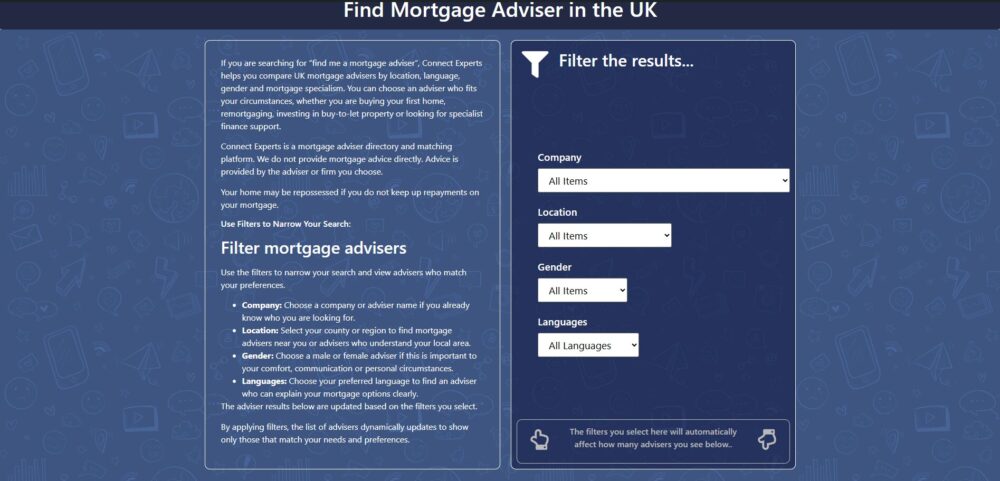
Customers looking for suitable advice can use the development finance adviser search on Connect Experts. Connect Experts is the adviser directory for advisers within or associated with the Connect network.
Frequently Asked Questions
How can digital tools help a development finance application?
They can help organise planning records, cost plans, build schedules, professional reports and exit evidence. This may allow the broker and lender to review the project more clearly.
Does a digital application guarantee faster development finance?
No. Completion times depend on the project, lender, valuation, legal work, planning position and quality of the information supplied.
Can AI decide whether a development project is suitable?
AI may help analyse or organise information. However, lender criteria, valuation evidence, legal checks and professional judgement remain important.
What should a broker check before submitting a case?
The broker should check that the planning position, appraisal, costs, build programme, borrower contribution and exit strategy are clear and consistent.
Why are project records important after completion?
Development finance may involve staged drawdowns. Updated records help show completed work, remaining costs and whether the project remains within its agreed programme.