

What Does a Mortgage Broker Do? A mortgage broker converts a client’s circumstances into a case that suitable lenders can assess.
This involves much more than comparing interest rates. The broker must examine affordability, lender criteria, property details, evidence, costs and regulatory requirements before recommending a mortgage.
The quality of the outcome often depends on the quality of this work before an application reaches an underwriter.
At a Glance
A mortgage broker:
- Establishes the client’s needs and financial position.
- Assesses affordability and foreseeable changes.
- Researches suitable lenders and products.
- Explains costs, risks and mortgage features.
- Recommends a suitable option.
- Collects and checks supporting evidence.
- Packages and submits the application.
- Manages queries through to mortgage offer and completion.
- Maintains suitable records and follows regulatory requirements.
A mortgage network can support this work through lender access, compliance oversight, technology, training and specialist case support.
What Is the Role of a Mortgage Broker?
The broker’s role is to provide mortgage advice based on the client’s needs, objectives and circumstances.
A lender decides whether it is prepared to provide the loan. The broker decides which available mortgage route may be suitable to recommend.
Those are different functions.
The broker must first understand the client before researching products. A low rate is not suitable if the lender’s affordability model, property rules or evidence requirements do not fit the case.
Stage One: Establishing the Client’s Circumstances
The advice process normally starts with a detailed fact-find.
The broker may examine:
- Income and employment.
- Deposit or available equity.
- Existing mortgages and credit commitments.
- Credit history.
- Property type and intended use.
- Required loan amount and term.
- Future plans or expected changes.
- Attitude towards payment certainty.
- Relevant protection needs.
This information defines the advice requirement. It also helps the broker identify facts that could affect lender eligibility.
For example, two clients with the same income may receive different outcomes because their commitments, employment structure, credit history or property choices differ.
Stage Two: Assessing Affordability
Affordability is not a simple income multiple.
Lenders may consider:
- Basic salary and variable earnings.
- Self-employed profits or drawings.
- Credit agreements and household expenditure.
- Dependants.
- Mortgage term.
- Interest-rate stress testing.
- Rental income for buy-to-let cases.
- Existing portfolio borrowing.
- Future financial changes that can reasonably be anticipated.
A broker may use lender calculators during the research stage. However, calculator results are normally indicative. The lender still makes its own assessment.
The broker must also consider whether the mortgage remains appropriate for the client, rather than relying only on the maximum amount a lender might offer.
Stage Three: Researching Lenders and Criteria
Mortgage research combines product comparison with criteria analysis.
The broker may compare:
- Interest rates.
- Product fees.
- Early repayment charges.
- Incentives.
- Loan-to-value limits.
- Affordability requirements.
- Income assessment methods.
- Property restrictions.
- Credit criteria.
- Application timescales.
- Underwriting requirements.
A cheaper product may not represent the most suitable recommendation after fees, restrictions and the client’s expected plans are considered.
Lender access also matters. A broker with access to a broad section of the market may be able to consider high street, building society, specialist and intermediary-only options. Our guide to a whole-of-market mortgage broker explains these differences in more detail.
Stage Four: Making and Explaining the Recommendation
Once the research is complete, the broker explains the recommended mortgage and why it is suitable.
The explanation should cover relevant points such as:
- Monthly payments.
- Initial and follow-on interest rates.
- Mortgage term.
- Product and advice fees.
- Early repayment charges.
- Overpayment conditions.
- Fixed, variable or tracker features.
- Risks linked to future rate changes.
- Consequences of missed repayments.
Good advice is based on evidence and reasoning. The client should be able to understand both the recommendation and the compromises involved.
This is where the value of mortgage advice becomes practical. It creates a documented connection between the client’s circumstances and the selected mortgage.
Stage Five: Packaging the Mortgage Application
After the client agrees to proceed, the broker prepares the application.
Supporting evidence may include:
- Identification and address documents.
- Payslips and bank statements.
- Tax calculations and tax year overviews.
- Business accounts.
- Deposit evidence.
- Credit explanations.
- Property information.
- Existing mortgage statements.
- Rental agreements or portfolio schedules.
The broker should check that the information is consistent before submission. Missing, unclear or contradictory evidence can cause delays or further underwriting questions.
Some advisers use mortgage packaging support for complex applications or specialist lender routes. The adviser remains responsible for the client relationship and any regulated advice they provide.
Stage Six: Managing the Application
A submitted application may still require active case management.
The broker may communicate with:
- The client.
- The lender or underwriter.
- The valuer.
- The solicitor or conveyancer.
- The estate agent.
- The packager or specialist distributor.
- Other professionals involved in the transaction.
The broker monitors progress, responds to lender questions and tells the client when further evidence is needed.
The broker cannot control every stage. Valuations, legal work and lender decisions sit with other parties. However, accurate communication can reduce avoidable delays.
How a Mortgage Network Supports the Broker
A mortgage network does not replace the adviser’s judgement. It provides the structure within which an appointed representative operates.
Network support may include:
- Compliance oversight.
- File checking.
- Lender and provider access.
- Research systems.
- Customer relationship management technology.
- Training and continuing professional development.
- Specialist case placement.
- Packaging and referral services.
- Commission administration.
- Business development support.
This infrastructure is particularly useful when the adviser encounters an unusual property, complex income, a portfolio landlord or a finance requirement outside their permissions.
Advisers considering this business structure can learn more about how to join the Connect Network.
How Clients Can Find a Mortgage Adviser
Clients may prefer an adviser with experience in a specific mortgage area, location or language.
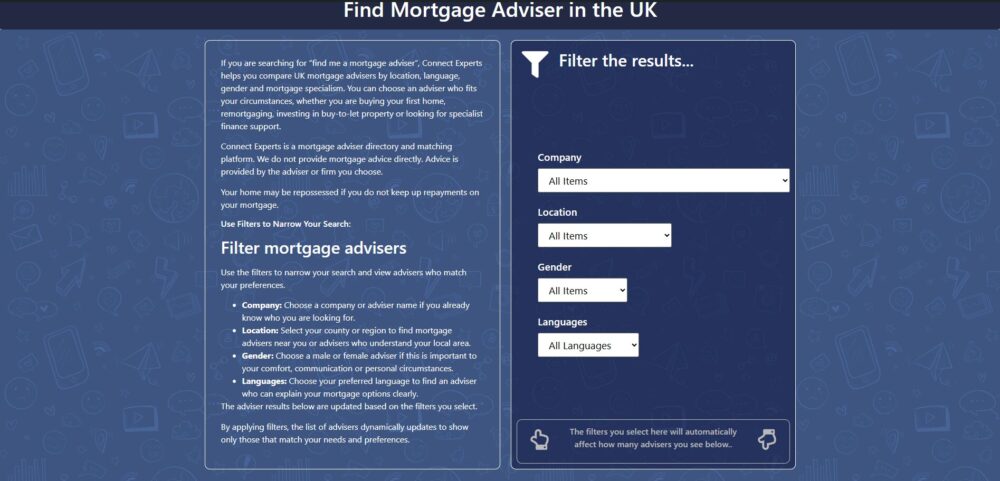
The Connect Experts mortgage adviser directory allows users to compare adviser profiles using practical search criteria.
Connect Experts is a directory and matching platform. It does not provide mortgage advice directly. Advice is provided by the selected adviser or firm.
Users can also find a mortgage adviser near them and search by mortgage type, location and adviser preference.
The Technical Value of a Mortgage Broker
A mortgage broker sits between the client’s financial circumstances and the lender’s underwriting rules.
The broker’s technical value comes from identifying where those two positions can meet.
It is a process of interpretation rather than simple comparison. The client provides the facts. The lender provides the criteria. The broker must understand both before making a suitable recommendation.
Frequently Asked Questions
What does a mortgage broker do?
A mortgage broker assesses a client’s circumstances, researches suitable mortgage options, explains the recommendation and supports the application through to completion.
Does a mortgage broker decide whether a mortgage is approved?
No. The lender makes the lending decision. The broker helps identify suitable lenders and prepares the application for assessment.
Is a mortgage broker responsible for the valuation?
No. The valuation is normally arranged for the lender and completed by an appointed valuer. The broker may help communicate updates or explain the outcome.
Why does a mortgage broker need supporting documents?
Documents allow the broker and lender to verify income, expenditure, identity, deposit funds and other information used during the advice and underwriting process.
What support does a mortgage network provide?
A mortgage network may provide compliance oversight, lender access, technology, training, file checking, specialist placement and business support for its appointed representatives.
Important Information
This article is intended for UK mortgage intermediaries and provides general information about the mortgage advice process. Individual responsibilities may depend on regulatory permissions, firm procedures and the type of finance involved.
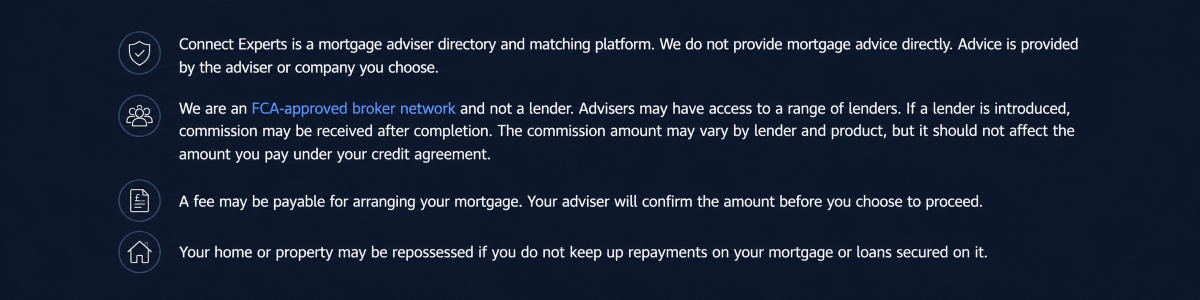
Your home or property may be repossessed if you do not keep up repayments on your mortgage or other loans secured on it.
Connect for Intermediaries is a trading style of Connect IFA Ltd, which is authorised and regulated by the Financial Conduct Authority and entered on the Financial Services Register under reference 441505. The Financial Conduct Authority does not regulate all mortgage and commercial finance products.