

Equity Release Advice in 2021: Equity release activity was recovering during 2021. However, increased demand did not make the advice process simpler.
Figures available by September 2021 showed that 20,352 new and returning customers accessed property wealth during the second quarter. Activity was moving closer to levels seen before the pandemic.
For appointed representatives, the technical question was not simply whether a client could release equity. It was whether the recommendation remained suitable after its costs, risks, alternatives and long-term effects had been considered.
At a Glance
Equity release advice in 2021 required advisers to:
- Establish the client’s needs and future plans.
- Compare equity release with reasonable alternatives.
- Explain interest roll-up and repayment clearly.
- Consider benefits, tax and inheritance.
- Record why the recommendation was suitable.
- Use suitably qualified and authorised advisers.
- Treat the property as both an asset and a home.
What Was an Equity Release Mortgage?
The term “equity release mortgage” commonly referred to a lifetime mortgage. It allowed an eligible homeowner to borrow against their main residence while continuing to live there.
The amount could normally be taken through:
- A single lump sum.
- A drawdown facility.
- A combination of both methods.
Interest was usually added to the balance when the client made no regular payments. The loan was normally repaid following death or a permanent move into long-term care.
Equity release also included home reversion plans. Under these arrangements, the homeowner sold part or all of the property to a provider while retaining an agreed right to remain there.
These were different legal and financial structures. Advisers therefore had to explain the selected arrangement rather than using “equity release” as a general description.
Why the 2021 Market Required Careful Advice
The second quarter of 2021 saw equity release activity move towards pre-pandemic levels. More homeowners were considering how property wealth could support retirement, repay borrowing or provide financial help to family members.
Demand alone did not establish suitability.
A client’s home may represent capital, security, family history and an intended inheritance. Releasing part of its value could solve an immediate problem while changing the choices available later.
That tension made the quality of advice especially important.
The Equity Release Council’s Q2 2021 market statistics provide the relevant market context available when this article was published.
What Advisers Needed to Establish
The advice file had to show more than the value of the property and the amount requested.
A structured assessment should have considered:
- Why the client needed the money.
- Whether the need was immediate or could be delayed.
- How much capital was genuinely required.
- The client’s age, health and household circumstances.
- Existing mortgage or secured debt.
- Expected income and expenditure in retirement.
- Intended beneficiaries and inheritance priorities.
- Possible future care requirements.
- Plans to remain in or move from the property.
- The effect on means-tested benefits or tax.
- Whether another funding method could meet the need.
The FCA’s equity release advising and selling rules required firms to take reasonable steps to ensure that an advised transaction was suitable.
Alternatives Had to Be Considered
A lifetime mortgage should not have been presented as the automatic answer to a capital requirement.
Depending on the client’s position, reasonable alternatives could have included:
- Using savings or investments.
- Downsizing to a less expensive property.
- Applying for an eligible grant.
- Taking a further advance.
- Replacing an existing mortgage.
- Using a retirement interest-only mortgage.
- Receiving support from family members.
- Delaying discretionary expenditure.
An alternative was not necessarily better. However, the advice record needed to explain which routes were considered and why they were unsuitable or less appropriate.
That evidential process protected both the client and the adviser.
Explaining Interest Roll-Up
Interest roll-up was one of the most important technical subjects.
Where no payments were made, interest could be charged on both the original advance and earlier interest. The balance could therefore increase more quickly over longer periods.
Clients needed to understand:
- The initial borrowing amount.
- The interest rate and charging method.
- How the balance could change over time.
- Whether voluntary repayments were permitted.
- Any repayment limits.
- Potential early repayment charges.
- The likely reduction in the remaining estate.
A recommendation should not rely solely on a headline rate. Drawdown facilities, repayment options, portability and inheritance protection could materially affect suitability.
Recording a Defensible Recommendation
An equity release file might be reviewed years after completion. The case record therefore needed to explain the adviser’s reasoning clearly.
A strong file should have recorded:
- The client’s stated objective.
- The amount required and its intended use.
- Relevant personal and financial circumstances.
- Alternatives discussed.
- Risks and disadvantages explained.
- Product research completed.
- Why the selected plan met the client’s needs.
- Why other plans were discounted.
- Evidence that the client understood the recommendation.
- Any family involvement authorised by the client.
Connect’s training and development for mortgage brokers explains how ongoing technical learning and file-quality guidance support advisers working in complex areas.
Equity Release Within a Mortgage Network
A mortgage network could provide compliance oversight, research systems, lender access and technical support. However, the adviser remained responsible for understanding the client and making a suitable recommendation.
Network support was most valuable when it strengthened professional judgement rather than replacing it.
Later-life cases could also involve residential borrowing, retirement interest-only mortgages, protection, family-assisted purchases or specialist finance. Access to a specialist mortgage network for advisers could help an AR consider the wider options before selecting one product route.
Supporting Clients Who Needed Specialist Advice
Not every mortgage adviser held the qualification or permissions required to advise on equity release.
Where an adviser could not provide the advice directly, the client still needed a clear route to an appropriately qualified professional.
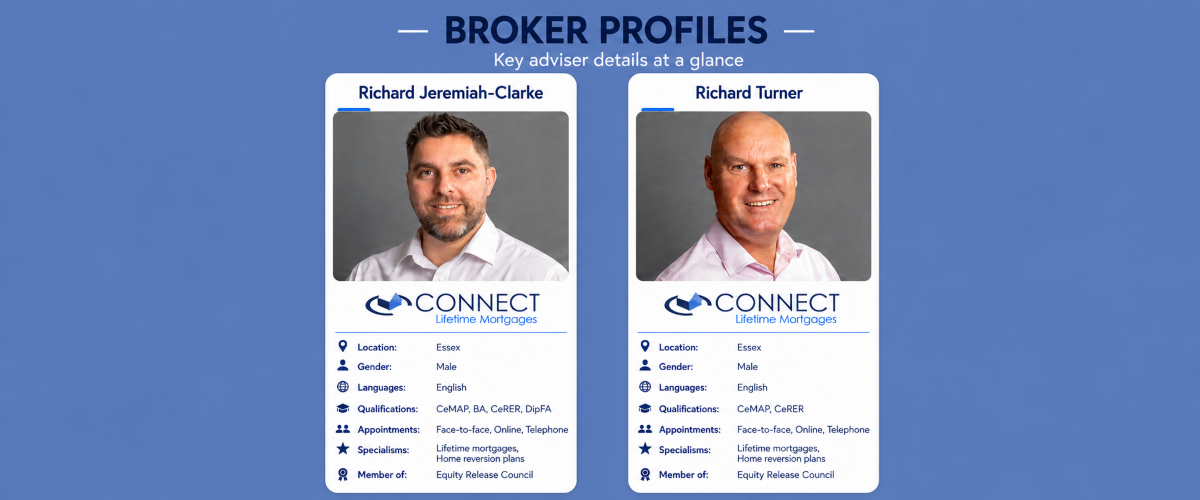
The Connect Experts equity release mortgage broker directory helps users identify advisers with relevant experience. Connect Experts acts as a directory and matching service. Advice is provided by the selected adviser or firm.
For network ARs, a controlled referral route could help preserve the client relationship while ensuring that the regulated advice was completed by a suitable adviser.
A Decision Measured Over Time
Equity release could provide useful financial flexibility. However, the quality of the decision could not be measured only by the money released on completion.
It also depended on what the client understood, what alternatives were examined and how the arrangement affected their future choices.
For advisers in 2021, good equity release advice meant connecting an immediate objective with its longer-term consequences.
Mortgage advisers reviewing network support can learn more about the Connect mortgage network for advisers.
Frequently Asked Questions
What was the main equity release product in 2021?
Lifetime mortgages represented the main form of equity release. Home reversion plans were also available but worked differently because the provider purchased a share of the property.
Did lifetime mortgages require monthly payments?
Not necessarily. Many plans allowed interest to be added to the loan. Some products also permitted voluntary or regular payments, subject to their terms.
Why did advisers need to consider benefits?
Receiving a lump sum or holding released funds could affect entitlement to means-tested benefits. The potential effect needed to be considered before a recommendation was made.
Could a client move home after taking equity release?
Some lifetime mortgages allowed the plan to move to another suitable property. The new property still had to meet the provider’s lending criteria.
Why was the suitability report important?
It recorded the client’s circumstances, alternatives, risks, research and reasons for the recommendation. This helped demonstrate why the advice was suitable at the time.