
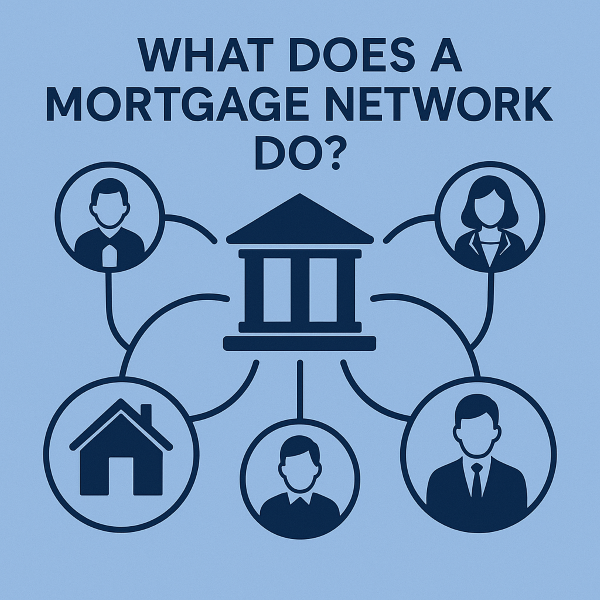
What Does a Mortgage Network Do? A mortgage network provides the regulated structure, systems and operational support that mortgage advisers need to run an advice business.
Much of this work happens outside the client meeting. It includes supervision, file checking, lender access, technology, training and business controls.
The adviser remains responsible for understanding the client and providing suitable advice. The network creates the framework within which that advice is recorded, reviewed and managed.
What Does a Mortgage Network Do?
A mortgage network commonly provides:
- Regulatory oversight for appointed representatives
- Defined permissions and operating standards
- Compliance guidance and file checking
- Access to mortgage lenders and protection providers
- Mortgage sourcing and case management technology
- Training and competence supervision
- Support with complex or specialist cases
- Financial promotion approval
- Business development and adviser support
- Clear records for monitoring and audit purposes
A network does not replace the adviser’s judgement. It provides the structure that helps advisers apply that judgement consistently.
How Does a Mortgage Network Support Appointed Representatives?
An appointed representative, often called an AR, carries out agreed regulated activities under an authorised principal firm.
The network or principal must assess the AR before appointment. It must also supervise the firm after it joins.
The written agreement should explain:
- Which regulated activities the AR may undertake
- Which products and services fall outside its permissions
- How client files will be reviewed
- When pre-approval is required
- Which systems must be used
- How complaints and regulatory concerns are reported
- What happens when the agreement ends
Advisers considering this route can read more about joining an AR network.
What Compliance Work Does a Mortgage Network Carry Out?
Compliance is one of the network’s central technical functions.
The network establishes the procedures that advisers must follow when researching, recommending and arranging regulated products.
This may include:
- Reviewing fact-finds and affordability evidence
- Checking research and sourcing records
- Assessing suitability documentation
- Monitoring Consumer Duty requirements
- Reviewing support for vulnerable customers
- Approving websites and financial promotions
- Recording complaints, breaches and remedial action
- Testing whether advisers remain competent
File checking may vary according to adviser experience, business type and risk. A new adviser may require closer supervision than an established adviser with a strong record.
Connect explains its wider approach through its mortgage network compliance support page.
How Does a Network Provide Lender Access?
A mortgage network establishes commercial and operational relationships with lenders and providers.
However, the size of a panel is only one consideration. The panel must also reflect the work that its advisers undertake.
Relevant markets may include:
- Residential mortgages
- Buy-to-let and portfolio lending
- Limited company buy-to-let
- Bridging and development finance
- Commercial and semi-commercial property
- Second charge mortgages
- Protection and general insurance
The network may also provide case placement support when lender criteria are complex.
This does not mean that every lender will accept every case. The adviser must still assess the client’s circumstances, compare suitable options and document the reasons for any recommendation.
Brokers can review the broader Connect lender and provider panel.
What Technology Does a Mortgage Network Provide?
A modern mortgage network needs a reliable digital record of the advice journey.
Its technology may support:
- Customer relationship management
- Fact-finding
- Mortgage research
- Document collection
- Suitability reports
- Compliance submissions
- Case tracking
- Commission records
- Continuing professional development
- Management information
Technology creates an audit trail. It shows what information was obtained, which options were considered and why a recommendation was made.
Artificial intelligence may help organise information, identify missing fields or reduce repetitive administration. However, an adviser must still verify the output. Automated text or research should never replace suitability checks or professional judgement.
Read more about the technology available to Connect brokers.
Does a Mortgage Network Provide Training?
A network must help advisers maintain knowledge and competence.
Training may cover regulatory change, lender criteria, product development, vulnerable customers, documentation and emerging risks.
Support can include:
- Structured induction
- Continuing professional development
- Compliance workshops
- Lender presentations
- Product training
- Adviser assessments
- Supervision and mentoring
- Case-based learning
The purpose is not simply to complete training hours. It is to make sure advisers can apply their knowledge accurately when client circumstances change.
Can a Mortgage Network Help Advisers Gain Visibility?
A network’s main responsibilities concern supervision and business infrastructure. However, some networks also help advisers establish a stronger public presence.
Connect Network ARs and associated authorised firms may be represented through Connect Experts, subject to the relevant listing requirements.
The Connect Experts mortgage adviser directory allows consumers to search by location, mortgage type, language and other preferences.
An adviser profile can explain:
- The adviser’s location
- The mortgage services offered
- Relevant specialist experience
- Languages spoken
- Contact options
- The firm through which advice is provided
This gives consumers clearer information before they make contact. It also gives participating advisers a structured route into local and specialist search results.
Consumers looking for an adviser in a specific area can also use the mortgage adviser location search.
Connect Experts is a directory and matching platform. Mortgage advice is provided by the selected adviser or firm.
What Does the Adviser Remain Responsible For?
Joining a network does not transfer every professional responsibility away from the adviser.
The adviser must still:
- Obtain accurate information
- Understand the client’s objectives
- Assess affordability and suitability
- Explain risks, costs and limitations
- Keep complete records
- Work within agreed permissions
- Check the accuracy of research and documents
- Treat customers fairly
The network supplies structure and oversight. The adviser remains responsible for the quality of the client conversation and the evidence supporting the recommendation.
This distinction matters. Systems can create consistency, but responsibility still rests with people.
What Should Advisers Check Before Joining a Network?
Before joining, an adviser should establish:
- Which permissions will apply?
- How does file checking work?
- Which lenders and providers are available?
- Which technology is compulsory?
- What training and supervision are provided?
- How are complex cases supported?
- What are the complete fees and commission terms?
- Who owns the client records?
- How are financial promotions approved?
- What happens if the firm leaves?
The right network is not simply the one with the lowest charge or longest lender list.
It is the one whose controls, services and permissions fit the advice business being built.
Advisers can review the wider Connect Network proposition.
A Mortgage Network Is an Operating Structure
A mortgage network is sometimes described as a collection of lenders, software and compliance services.
Technically, it is more connected than that.
Permissions establish what an adviser may do. Training supports competence. Technology records the work. Compliance tests the evidence. Lender relationships provide access to potential solutions.
The network’s value depends on how effectively these parts work together.
A good structure should not remove professional responsibility. It should make that responsibility clearer, measurable and easier to demonstrate.

Frequently Asked Questions
What does a mortgage network do?
A mortgage network provides regulatory oversight, compliance support, lender access, technology, training and business infrastructure for mortgage advisers and appointed representative firms.
Is a mortgage network responsible for its appointed representatives?
The authorised principal is responsible for supervising the regulated activities covered by the appointed representative agreement. The AR must remain within its permissions and follow the principal’s procedures.
Does a mortgage network choose the mortgage for the client?
No. The mortgage adviser researches the available options and makes a recommendation based on the client’s circumstances. The network provides the systems, panel access and compliance framework supporting that work.
Does joining a network remove an adviser’s compliance responsibilities?
No. Advisers must still provide suitable advice, maintain accurate records and follow the network’s procedures. The network supervises and reviews regulated activity.
Can an experienced mortgage broker join a network?
Yes. Networks can support established brokers as well as newer advisers. Experienced firms may join for compliance infrastructure, broader lender access, technology or business development support.