

Protection Advice in the Mortgage Process: A mortgage creates a long-term financial commitment. Protection advice considers what could happen if the income supporting that commitment changes.
For mortgage advisers, the protection conversation is not simply an additional product discussion. It is a structured assessment of financial risk, client priorities and possible consequences.
The mortgage secures the property. Suitable protection may help the household retain it when death, serious illness or an extended absence from work affects income.
At a Glance
- Protection should be considered as part of the mortgage fact-find.
- Advisers should identify risks before discussing individual products.
- Life cover, critical illness cover and income protection perform different functions.
- Recommendations must reflect the client’s demands, needs and budget.
- Discussions and client decisions should be recorded clearly.
- A mortgage network can support training, compliance and case documentation.
A Mortgage Assessment Should Consider Financial Resilience
Affordability usually measures whether a client can meet the mortgage payment today.
Protection planning considers whether those payments could remain manageable after an unexpected event.
A mortgage adviser may therefore need to explore:
- Who contributes towards the mortgage payment.
- How long household savings would cover essential spending.
- Whether the client receives employer sick pay or death-in-service benefits.
- What would happen if one applicant died.
- Whether illness could reduce income permanently.
- Which financial commitments would continue.
- Whether existing policies remain suitable.
These questions do not assume that a policy will be recommended. They establish whether a protection need exists.
Good advice begins by understanding the risk. The product discussion comes later.
Protection Products Address Different Risks
Protection products should not be presented as interchangeable. Each one addresses a different financial event.
Life Insurance
Life insurance can pay a lump sum following the death of an insured person.
The required cover may be influenced by the mortgage balance, term, family responsibilities and existing arrangements.
Critical Illness Cover
Critical illness cover can pay a lump sum when the insured person is diagnosed with a condition covered by the policy.
The client must understand the policy definitions, exclusions, term and level of cover. Not every illness or medical event will result in a claim.
Income Protection
Income protection can provide a regular benefit when illness or injury prevents the insured person from working.
Important considerations include:
- The deferred period.
- The benefit amount.
- The policy term.
- The insurer’s definition of incapacity.
- Existing employer benefits.
- The client’s occupation and employment status.
The correct starting point is the client’s exposure, not the adviser’s preferred product.
When Should Protection Be Discussed?
Protection should be introduced early enough to form part of the client’s financial planning.
Leaving the discussion until mortgage completion can create several problems. The client may view the conversation as an unrelated sale. There may also be less time to obtain medical evidence or consider alternative terms.
A practical process may include:
- Identifying financial risks during the fact-find.
- Confirming existing cover and workplace benefits.
- Establishing the client’s priorities.
- Explaining the main protection options.
- Completing a demands and needs assessment.
- Researching suitable policies where advice is required.
- Recording the recommendation or the client’s decision not to proceed.
- Reviewing the arrangements after major life changes.
This process gives the discussion a clear purpose. It also separates risk identification from product selection.
Consumer Duty and Protection Discussions
By March 2024, the FCA’s Consumer Duty was already in force for open products and services.
The Duty requires firms to act in good faith, avoid foreseeable harm and support customers in pursuing their financial objectives.
This does not mean every mortgage client must purchase protection. It means advisers should use a fair and evidence-based process when a relevant risk is identified.
Where insurance advice is provided, the recommendation should reflect the client’s circumstances, demands and needs.
Advisers should avoid:
- Using fear to influence a decision.
- Treating protection as compulsory for mortgage approval.
- Recommending unsuitable levels of cover.
- Ignoring existing policies or employer benefits.
- Making assumptions about a client’s priorities.
- Recording a generic reason when the client declines cover.
The FCA Consumer Duty guidance explains the wider standards firms should apply when assessing customer outcomes.
What Should the Adviser Record?
The file should explain what was discussed and why.
Depending on the service provided, the record may include:
- The identified financial risks.
- Existing policies and benefits.
- Mortgage balance and term.
- Household income and expenditure.
- Dependants and family responsibilities.
- The client’s preferred level of protection.
- Budget limitations.
- Relevant exclusions or underwriting considerations.
- Why a recommendation meets the identified need.
- Why the client declined or reduced the proposed cover.
A statement such as “protection discussed” gives little evidence of the conversation.
Clear records support the client, the adviser and the network. They also make future reviews more meaningful.
Connect provides compliance support for mortgage advisers to help members understand file standards and evidence suitable outcomes.
Technology Should Support the Advice Process
Protection cases can involve research, medical information, insurer communication and ongoing documentation.
A suitable system should help advisers:
- Retain fact-find information.
- Record protection needs.
- Track applications.
- Store relevant documents securely.
- Monitor outstanding requirements.
- Produce clear reports.
- Maintain an audit trail.
Technology should improve consistency without replacing professional judgement.
Connect’s mortgage broker technology supports mortgage and protection case management within a structured adviser process.
How a Mortgage Network Supports Protection Advice
A mortgage network can provide more than access to protection providers.
Effective network support may include:
- Protection product training.
- Compliance guidance.
- File reviews.
- Adviser coaching.
- Technology and case management.
- Provider updates.
- Support with complex cases.
- Continuing professional development.
Connect’s training and development for mortgage brokers covers mortgage, protection, compliance and adviser development.
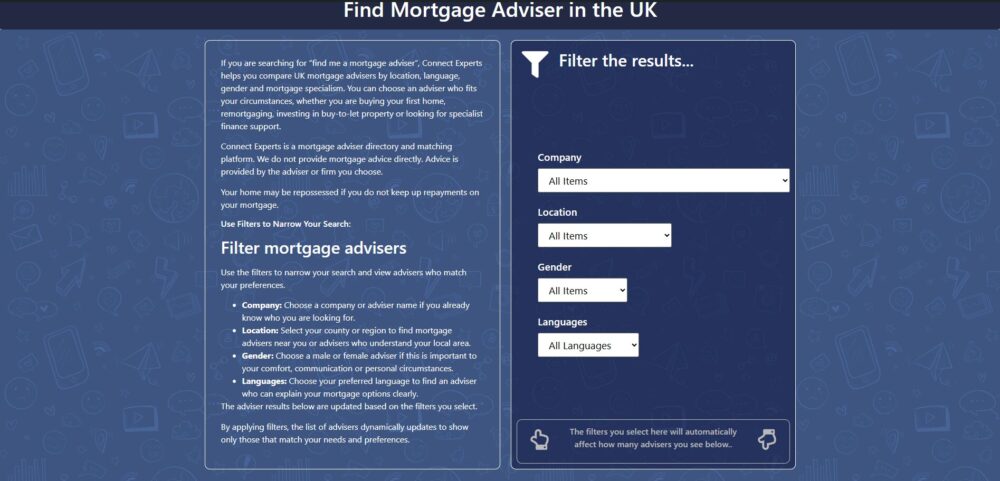
Network members can also gain consumer visibility through Connect Experts. The UK mortgage adviser directory allows clients to search for advisers by location, language, gender and mortgage need.
Protection Is Part of the Financial Structure
A mortgage recommendation explains how a property may be financed.
A protection assessment considers how that financial structure could respond when circumstances change.
The value of the conversation is not measured by whether every client purchases a policy. It is measured by whether the client understands the risk, receives suitable information and can make an informed decision.
Advisers seeking broader compliance, technology and business support can learn more about how to join the Connect Network.
Frequently Asked Questions
Must every mortgage client purchase protection?
No. Protection is not automatically compulsory. Any recommendation should be based on the client’s circumstances, needs, existing cover and budget.
When should protection be introduced?
Protection should normally be considered during the fact-find and mortgage planning stage. This allows enough time to assess needs and explain the available options.
What is a demands and needs assessment?
It records the client’s insurance requirements based on information collected about their circumstances, priorities and financial risks.
Should an adviser record when a client declines protection?
Yes. The file should record what was discussed, the risks explained and the client’s decision. The wording should accurately reflect the conversation.
Can existing workplace benefits remove the need for protection?
They may reduce a protection need, but they should be assessed carefully. Benefits can be limited, altered or lost when employment changes.