

Home Insurance Guide: Home insurance should reflect the property, the people living in it and the financial effect of a serious loss.
For mortgage advisers, the discussion is not simply whether a policy exists. The practical questions concern the insured property, rebuild cost, contents value, excesses, exclusions and the client’s ability to meet uncovered costs.
This guide explains the main technical points that advisers should understand when discussing home insurance with residential mortgage clients.
At a Glance
- Buildings insurance protects the structure and permanent fixtures.
- Contents insurance protects possessions kept within the home.
- Buildings cover should reflect rebuilding cost, not market value.
- Mortgage lenders normally require suitable buildings insurance.
- Excesses, exclusions and policy limits can affect a future claim.
- Cover should be reviewed after significant property or household changes.
- Advice must remain within the adviser’s permissions and approved process.
What Is Home Insurance?
Home insurance is a general insurance product designed to protect a residential property, its contents or both.
It normally consists of two main forms of cover.
Buildings Insurance
Buildings insurance covers the structure of the property and its permanent fixtures. Depending on the policy, this may include:
- Walls, roofs and floors
- Windows and external doors
- Fitted kitchens and bathrooms
- Garages and permanent outbuildings
- Pipes, drains and fixed heating systems
Policies commonly cover insured events such as fire, storm, flood, escape of water, subsidence and theft-related damage. Exact definitions and limits vary between insurers.
Contents Insurance
Contents insurance protects possessions that could normally be removed from the property.
This may include:
- Furniture and household appliances
- Clothing and personal belongings
- Computers and entertainment equipment
- Jewellery, watches and other valuables
- Items kept in garages or outbuildings
Policies may apply single-item limits. High-value possessions may need to be declared separately.
Why Buildings Insurance Matters During a Mortgage
A mortgage lender has a financial interest in the property used as security for the loan. Therefore, suitable buildings insurance is normally required from exchange of contracts or completion, depending on the transaction and lender’s conditions.
Advisers should not assume that a policy is suitable because the client already has cover. The property address, occupancy, construction, use and rebuilding figure must be accurate.
Incorrect information could affect underwriting or a later claim.
Rebuild Cost Is Not Market Value
The buildings sum insured should normally reflect the cost of rebuilding the property after a total loss.
Rebuilding cost can include:
- Demolition and site clearance
- Building materials and labour
- Surveyor and architect fees
- Professional and legal costs
- Compliance with current building requirements
The property’s market value also includes the land, location and local demand. Therefore, it should not automatically be used as the buildings sum insured.
Unusual construction, listed status, specialist materials and difficult site access can increase rebuilding costs.
What Should Advisers Check?
A structured insurance discussion helps identify information that may affect eligibility, price and policy terms.
Relevant questions include:
- Is the property occupied as the client’s main home?
- Will it be left unoccupied for extended periods?
- Is any part used for business?
- Is the building listed or constructed from non-standard materials?
- Has the property experienced flooding, subsidence or previous claims?
- Are renovations or structural works planned?
- Are there valuable items requiring separate limits?
- Does the client need accidental damage or cover away from home?
These questions do not replace an insurer’s statement of fact. However, they can help the client understand why accurate disclosure matters.
Policy Excesses and Claim Costs
An excess is the amount the policyholder must contribute towards an accepted claim.
A policy may contain:
- A compulsory excess set by the insurer
- A voluntary excess selected by the policyholder
- Separate excesses for escape of water, subsidence or other risks
A higher voluntary excess may reduce the premium. However, the client must be able to pay the combined excess when claiming.
The lowest premium is not necessarily the most practical policy. A cheaper contract may contain higher excesses, narrower cover or lower limits.
Common Home Insurance Exclusions
Home insurance does not protect against every form of damage.
Common exclusions can include:
- Gradual deterioration and wear
- Poor maintenance
- Mechanical or electrical breakdown
- Pest or vermin damage
- Deliberate acts
- Undeclared business activity
- Extended periods of unoccupancy
- Losses above specified policy limits
Clients should read the policy wording, schedule and insurance product information document before proceeding.
When Should Cover Be Reviewed?
Insurance should not be treated as a document that remains correct indefinitely.
A review may be appropriate when:
- The mortgage is arranged or refinanced
- The client moves home
- An extension or loft conversion is completed
- The property becomes temporarily unoccupied
- The client begins working from home
- Expensive possessions are purchased
- Household circumstances change
- The policy approaches renewal
A policy based on outdated information may no longer reflect the risk being insured.
Home Insurance and the Adviser’s Role
Mortgage discussions can reveal wider property risks that should not be ignored. However, advisers must remain within their permissions, competence and approved sales process.
Connect Network supports appointed representatives through provider access, compliance guidance and practical adviser resources. Further information is available through our protection and insurance advice resources.
Existing members can access approved systems and provider facilities through the Network Members area.
Clients seeking an adviser can use the Connect Experts protection adviser directory. Connect Experts is a directory and matching platform. Advice is provided by the selected adviser or firm.
Related Property Insurance Guidance
Home insurance for an owner-occupied property is different from cover designed for a rental property.
Advisers supporting landlords should also read the Landlord Insurance Guide, which explains rental property risks and relevant policy features.
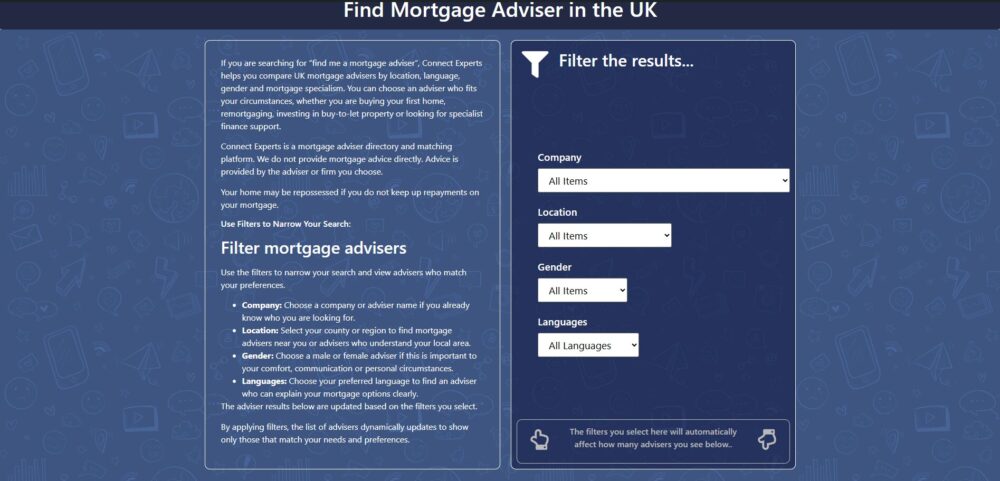
Consumers who want to compare advisers by location, language or mortgage need can find a mortgage adviser through the wider Connect adviser directory.
A More Complete Mortgage Conversation
A mortgage establishes how a property will be financed. Home insurance considers what happens if that property is seriously damaged.
These are separate contracts, but they meet at the same point: the client’s ability to protect a significant financial commitment.
A useful insurance conversation should therefore be accurate, documented and proportionate. It should help the client understand the policy rather than treating insurance as an administrative condition of the mortgage.
Advisers considering broader support across mortgages, protection and general insurance can learn more about how to join Connect Network.
Frequently Asked Questions
What is home insurance?
Home insurance protects a residential building, its contents or both against defined insured events. The cover provided depends on the policy wording and selected options.
Is buildings insurance required with a mortgage?
Mortgage lenders normally require suitable buildings insurance because the property is security for the loan. The lender’s individual conditions should always be checked.
What is the difference between buildings and contents insurance?
Buildings insurance protects the structure and permanent fixtures. Contents insurance protects possessions that could normally be removed from the property.
Should a home be insured for its market value?
Not normally. Buildings cover should generally reflect the cost of rebuilding the property, including relevant labour, materials and professional fees.
What is a home insurance excess?
An excess is the amount the policyholder contributes towards an accepted claim. A policy may include compulsory, voluntary and claim-specific excesses.
Does home insurance cover accidental damage?
Accidental damage may be included, offered as an optional extension or excluded. The client should check the policy schedule and wording.
When should home insurance be reviewed?
Cover should be reviewed at renewal and after material changes. Examples include renovations, changed occupancy, business use or the purchase of high-value possessions.
Can a mortgage adviser arrange home insurance?
This depends on the adviser’s regulatory permissions, competence and approved firm process. Advisers should only discuss or arrange products within their authorised scope.