

Fast bridging loans UK are not simply a standard bridging facility processed more quickly.
Speed usually comes from the strength of the case, the suitability of the lender and the quality of the submission. A clear exit strategy, suitable security and complete documentation can reduce avoidable delays.
For brokers, the practical question is not only how quickly a lender can release funds. It is whether the required valuation, underwriting and legal work can be completed within the client’s deadline.
At a Glance
- Bridging finance provides short-term funding secured against property.
- It may support auctions, chain breaks, refurbishments and urgent purchases.
- Completion times vary between lenders and individual cases.
- A credible exit strategy remains central to the lender’s decision.
- Valuation, legal work and missing documents can delay completion.
- Speed should never replace suitable advice or careful case assessment.
What Is a Fast Bridging Loan?
A fast bridging loan is short-term secured finance used where a property transaction cannot wait for a standard mortgage process.
The loan creates a temporary financial connection between the client’s immediate need and their planned repayment route.
Common circumstances include:
- Completing an auction purchase
- Buying before another property is sold
- Preventing a property chain from breaking
- Purchasing a property that is not yet mortgage-ready
- Funding refurbishment before refinancing
- Raising short-term capital against property
- Replacing an existing facility approaching its repayment date
A broader explanation of available structures can be found in our bridging finance options for mortgage brokers.
What Determines the Completion Speed?
No responsible lender or broker can guarantee that every bridging loan will complete within a fixed number of days.
The likely timescale depends on the whole transaction.
The Security Property
The lender must understand the property being offered as security.
Its location, condition, value, construction and intended use may affect the valuation and underwriting process. Properties with title defects, structural concerns or unusual use may require additional enquiries.
The Exit Strategy
The exit strategy explains how the client intends to repay the bridging loan.
It may involve:
- Selling the security property
- Selling another property
- Refinancing onto a residential mortgage
- Refinancing onto a buy-to-let mortgage
- Moving to commercial or development finance
- Using an identifiable source of capital
The lender must be satisfied that the proposed exit is realistic within the requested term.
A future sale cannot be treated as certain. Likewise, a refinance exit must reflect likely lender criteria, affordability and property condition at the expected repayment date.
The Valuation
Some lenders can instruct valuations quickly. However, access, property complexity and report requirements can affect the timetable.
An automated or desktop valuation may be available in limited circumstances. It will not be suitable for every property or loan.
The Legal Work
Bridging finance remains a secured property transaction. Solicitors must review the title, searches, charges and lender requirements.
Delays may arise where:
- Existing charges need to be removed
- Ownership information is incomplete
- The property has a complex title
- Separate representation is required
- The borrower’s solicitor lacks bridging experience
- Information is supplied late
Selecting solicitors who understand short-term finance can therefore be important.
What Should Brokers Establish First?
Before approaching a lender, the broker should establish the commercial purpose and the practical deadline.
The initial assessment should cover:
- The amount required
- The property value
- The proposed security
- The required completion date
- The reason for the deadline
- The intended loan term
- The source of the client’s deposit
- The proposed repayment route
- Any refurbishment work
- Existing borrowing secured against the property
- The client’s experience and credit position
- Whether the case may be regulated
This information helps determine whether bridging finance is appropriate and which lenders may consider the case.
How Can Brokers Reduce Avoidable Delays?
Fast completions usually depend on preparation rather than pressure.
A well-packaged submission should explain the transaction clearly and include the available supporting evidence.
Depending on the case, this may include:
- Proof of identity and address
- Evidence of deposit or additional funds
- Property details
- Auction documents
- A schedule of works
- Planning information
- Existing mortgage statements
- Company documents
- Evidence supporting the exit strategy
- Details of the borrower’s solicitor
- An explanation of previous credit issues
Unexplained gaps often lead to further questions. A concise case summary can help the lender understand the purpose, security, risks and exit route from the start.
Where additional placement or packaging support is needed, brokers can review our adviser services.
Regulated and Unregulated Bridging Finance
The regulatory position depends on the borrower, property, purpose and intended occupation.
A bridging loan connected to a home occupied, or intended to be occupied, by the borrower or a close family member may be regulated. Investment and commercial transactions are often unregulated.
However, the distinction should not be assumed from the product name alone. Brokers must establish the circumstances of the case and follow the appropriate advice, disclosure and compliance process.
The Financial Conduct Authority does not regulate every form of bridging, commercial or buy-to-let finance.
Costs and Risks Brokers Should Explain
Bridging loans are normally more expensive than standard residential mortgages because they are short-term facilities designed for specific circumstances.
Costs may include:
- Interest
- Lender arrangement fees
- Valuation fees
- Legal costs
- Broker fees
- Administration or fund transfer fees
- Charges for extending the loan
- Exit fees where applicable
Interest may be paid monthly, deducted in advance or retained and repaid when the facility ends.
Retained interest can support short-term cash flow. However, it reduces the net amount available or increases the balance that must be repaid.
If the exit is delayed, further interest and charges may become payable. The secured property could also be at risk if the loan is not repaid.
When Is a Fast Bridging Loan Not the Right Answer?
Urgency alone does not make bridging finance suitable.
Another solution may be more appropriate where:
- The client has no credible exit strategy
- The deadline is flexible
- Standard mortgage finance can complete in time
- The overall costs outweigh the benefit
- Heavy construction requires staged development funding
- The client cannot support the proposed refinance
- The transaction depends on unrealistic property values
- The client does not understand the repayment risk
A broker should compare the cost of the facility with the financial effect of missing the transaction. Speed has value, but only when the route beyond the bridge remains clear.
How Connect Supports Urgent Bridging Cases
Connect supports mortgage brokers across residential, buy-to-let, commercial and specialist property finance.
Our team can help advisers consider lender appetite, case structure and packaging requirements. This can be particularly useful where a transaction involves unusual security, refurbishment, a limited company, an auction deadline or a complex exit route.
Brokers who want wider support across specialist finance can learn more about the role of packaging in bridging and specialist lending.
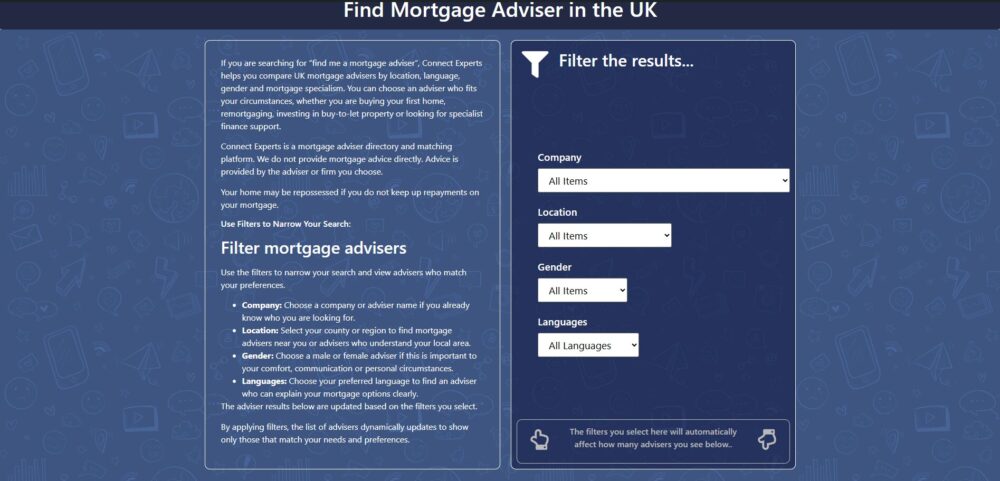
Consumers looking for individual advice can use the Connect Experts directory to find bridging loan mortgage brokers. Connect Experts is a directory and matching platform. Advice is provided by the selected adviser or firm.
Speak to Connect About a Bridging Case
A deadline may create the need for speed. However, a strong case still requires a suitable product, complete evidence and a realistic exit.
Contact the Connect team to discuss the circumstances, the required timescale, and the proposed repayment route before submitting the application.
Fast Bridging Loan FAQs
How quickly can a bridging loan complete?
Completion times vary. The lender, property, valuation, legal work, documentation and exit strategy can all affect the timetable. Some straightforward cases may complete quickly, while complex transactions can take longer.
What is the most important part of a bridging application?
The lender will assess the complete case. However, the exit strategy is particularly important because it explains how the loan will be repaid.
Can bridging finance be used for an auction purchase?
Yes. Bridging finance is commonly considered for auction transactions with fixed completion deadlines. The borrower should arrange funding early and understand the auction contract before bidding.
Can a bridging loan fund refurbishment work?
It may support light or more substantial refurbishment. The lender will consider the property, works, costs, borrower experience and intended exit. Development finance may be more suitable for major structural projects.
Does poor credit prevent a bridging application?
Not necessarily. Some lenders may consider cases involving previous credit issues. They will assess the cause, severity, security, loan purpose and repayment plan.
Are all bridging loans regulated?
No. Some bridging loans are regulated, while others are not. The position depends on factors including property occupation, borrower type and loan purpose.
What happens if the exit strategy is delayed?
The borrower may face additional interest, extension charges or enforcement action. The property used as security may be at risk if the loan cannot be repaid.