

Adverse Credit Mortgage Cases: Adverse credit mortgage cases are rarely defined by one number.
A credit score may influence an automated decision. However, specialist underwriting can require a broader assessment of what happened, when it happened and how the client has managed their finances since.
For mortgage advisers, the first task is therefore not to search for a product. It is to understand the credit story well enough to identify whether a suitable lender route may exist.
At a Glance
When assessing a client with adverse credit, establish:
- the type, date, value and status of every credit event;
- whether the problem was isolated or repeated;
- the reason behind the financial difficulty;
- the client’s conduct since the event;
- current income, commitments and affordability;
- the available deposit and resulting loan-to-value;
- whether the evidence matches the lender’s published criteria.
A complete case summary can help an adviser avoid unsuitable applications and approach the right lender more efficiently.
What Counts as Adverse Credit?
Adverse credit is a broad term covering information on a client’s credit record that may affect lender appetite.
Examples can include:
- missed or late payments;
- mortgage or secured-loan arrears;
- defaults;
- County Court Judgments;
- debt management plans;
- Individual Voluntary Arrangements;
- bankruptcy;
- high or persistent unsecured borrowing.
These events are not assessed in isolation. Two clients with the same type of default may receive different lender responses because the amount, date, cause and subsequent conduct differ.
The credit event is a fact. The underwriting decision depends on its context.
The Four Questions Advisers Should Ask First
1. What happened?
Obtain current credit reports and compare them with the client’s fact-find.
Record:
- the creditor;
- the type of account;
- the event value;
- the registration date;
- the satisfaction date, where relevant;
- any continuing arrangement;
- whether other events occurred during the same period.
Differences between the client’s recollection and the credit report should be resolved before lender research begins.
2. Why did it happen?
The cause does not remove the credit event. However, it can help an underwriter understand whether the problem arose from a temporary disruption or continuing financial pressure.
Relevant circumstances may include redundancy, business failure, relationship breakdown, reduced income or an administrative dispute.
The explanation should be factual, concise and supported by evidence where appropriate.
3. What has changed?
Recent account conduct can help show whether the circumstances have stabilised.
An adviser should review:
- payment history since the event;
- current borrowing levels;
- use of overdrafts;
- recent credit applications;
- household expenditure;
- income stability;
- whether agreed repayment plans are being maintained.
A satisfied event does not automatically make a case acceptable. Equally, an historic event does not automatically prevent lending.
4. Is the proposed mortgage affordable?
Adverse credit criteria do not replace affordability requirements.
The adviser must still consider verified income, committed expenditure, household costs, mortgage term, interest-rate stress and foreseeable changes in the client’s circumstances.
The client’s deposit also affects the lender assessment because it determines the loan-to-value. However, a larger deposit should never be presented as a guaranteed route to acceptance.
How Lenders May Classify Credit Events
Lender criteria can differ according to:
- the age of the event;
- its value;
- whether it is satisfied;
- how many events occurred;
- whether mortgage arrears were involved;
- the current loan-to-value;
- the application purpose;
- the property type;
- the client’s income and affordability.
Some lenders use automated credit scoring. Others may combine scoring with manual underwriting.
This is why criteria research should follow the fact-find. Starting with a lender before understanding the case can lead to unnecessary credit searches or unsuitable applications.
Advisers handling less familiar cases can review how a specialist mortgage network supports advisers with complex client circumstances.
Building a Clear Case Summary
A useful case summary should allow a lender or placement team to understand the material facts without searching through unrelated information.
Include:
- the mortgage purpose and requested amount;
- property value and loan-to-value;
- income and employment details;
- the credit events and relevant dates;
- the reason for each material event;
- current repayment conduct;
- deposit source;
- any supporting evidence;
- the client’s objectives and preferred timescale.
Do not minimise, rename or omit a known credit issue. Accurate disclosure at the outset can reduce delays and protect the quality of the advice record.
Where criteria require closer examination, Connect Network members can use available adviser services and specialist support before submitting a case.
Evidence and File Quality
The advice file should explain more than which product was selected.
It should show:
- how the client’s credit history was established;
- which lender criteria were checked;
- why the proposed lender was considered appropriate;
- how affordability was assessed;
- which alternatives were considered;
- what risks, costs and limitations were explained;
- why the recommendation met the client’s needs.
This is particularly important where the selected mortgage carries a higher rate, fee or early repayment charge than products available to clients without adverse credit.
Connect provides compliance support for mortgage advisers covering advice records, suitability, Consumer Duty and complex-case documentation.
Supporting the Client Before an Application
Not every enquiry should progress immediately.
Depending on the circumstances, the client may benefit from obtaining corrected credit information, completing an agreed payment period or gathering further evidence before an application is made.
Advisers must remain within their permissions and should not provide debt advice unless authorised to do so. Where debt advice is required, the client should be directed to an appropriate authorised or recognised service.
The objective is not to make the client’s history appear better than it is. It is to ensure that the lender receives complete, accurate and relevant information.
How a Mortgage Network Can Support Advisers
Adverse credit cases can involve detailed criteria, documentation and compliance considerations.
A mortgage network can support its appointed representatives through:
- access to mainstream and specialist lenders;
- case-placement guidance;
- compliance support;
- training on changing lender criteria;
- technology and case tracking;
- packaging or referral routes where appropriate.
Ongoing training and development for mortgage brokers can also help advisers recognise when a case requires specialist assistance.
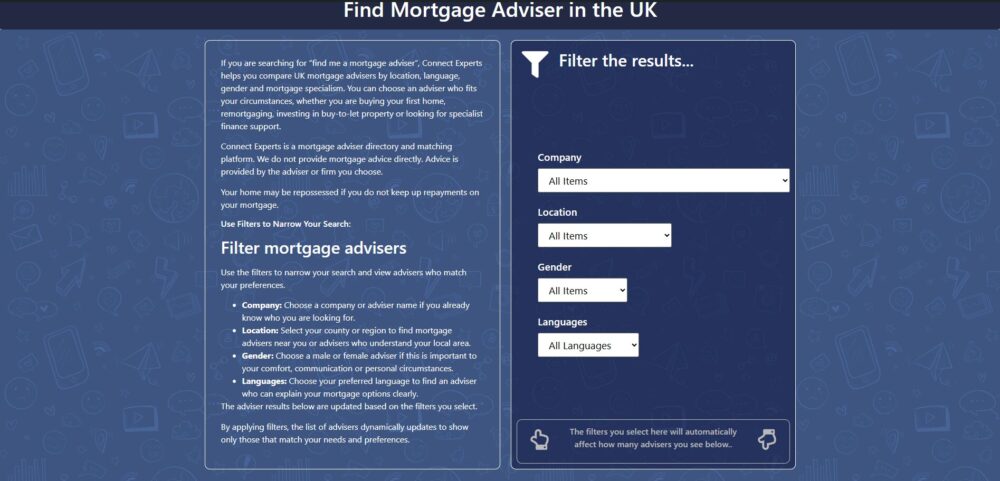
Connect Network ARs can gain consumer visibility through the wider Connect Group. Clients with credit concerns can use the credit issues mortgage adviser search to find advisers listed through the Connect Experts directory.
Connect Experts is a directory and matching platform. Mortgage advice is provided by the selected adviser or firm.
A Better Process Begins With Better Facts
Complex cases do not become clearer through optimism or assumptions. They become clearer through evidence.
By establishing the complete credit history before researching lenders, advisers can make better-informed placement decisions, create stronger records and explain the available routes more clearly.
A past financial event may form part of the application. It should not be allowed to replace a proper assessment of the client’s present circumstances.
FAQs About Adverse Credit Mortgage Cases
Can a client obtain a mortgage after a default or CCJ?
Potentially. The outcome depends on the event’s date, value, status and wider circumstances, together with affordability, deposit and lender criteria.
Should an adviser submit an agreement in principle first?
Not before the material credit information has been checked. An unnecessary credit search could affect the client’s record without establishing a realistic lender route.
Does satisfying a default guarantee acceptance?
No. Satisfaction may affect lender appetite, but lenders can also consider the event’s age, value, cause and the client’s subsequent conduct.
Will every adverse credit case require a specialist lender?
No. Some mainstream lenders may consider certain historic or lower-level events. The adviser should research the complete case rather than assume the lender category.
What should an adviser include in a case-placement enquiry?
Include the mortgage purpose, property value, loan amount, income, deposit, complete credit history, event dates, current status and a concise factual explanation.
Why is network support useful for these cases?
Network support can provide access to lender criteria, placement teams, compliance guidance, training and packaging routes. These resources can help advisers assess complex cases before making an application.